Hairbrush: The Handwritten Font That Brings Your Brand to Life
There's a particular kind of warmth that only a handwritten element can bring to a design. It feels personal, immediate, and human. In a world saturated with clean, geometric sans serif fonts and authoritative serif fonts, a touch of hand-lettered personality can be the very thing that makes a brand memorable. This is where a typeface like Hairbrush enters the conversation. It’s not just another script font; it’s a premium font designed to capture the fluid, organic motion of a paintbrush or marker, offering a blend of elegance and approachability that’s surprisingly versatile.
Understanding the Personality of the Hairbrush Typeface
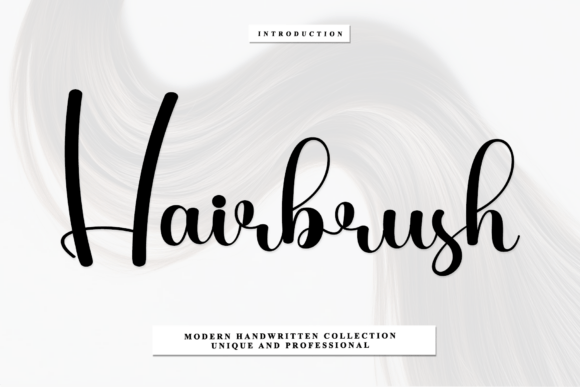
At its core, Hairbrush is a handwritten font with a distinct artistic flair. Its characters are crafted with a natural, flowing rhythm, mimicking the slight inconsistencies and varying line weights you'd see from a real brush pen. This isn't a rigid or overly polished script. Instead, it embraces a beautiful imperfection that gives it authenticity and charm. The letterforms connect in a way that feels intuitive, creating a sense of movement across a word or phrase. This personality makes it a powerful tool for projects that aim to feel creative, inviting, and crafted with care. It’s the kind of typeface that doesn’t just display words; it conveys an emotion.
Where This Creative Font Truly Excels
The real-world applications for a versatile design asset like Hairbrush are extensive. Its strength lies in its ability to act as a headline or accent font, where its details can shine without overwhelming a layout. Think about the first place a customer encounters a brand: the logo. For artisans, boutique shops, wellness coaches, or lifestyle bloggers, Hairbrush can form the cornerstone of a logo design that feels both professional and deeply personal.
Its utility extends far beyond a single mark. In packaging design, this font can evoke a sense of handmade quality, perfect for products like organic foods, craft supplies, or specialty cosmetics. On social media graphics, where grabbing attention is paramount, a bold statement set in Hairbrush can stop the scroll more effectively than a standard block of text. It’s equally at home in editorial design, adding flair to magazine pull quotes, chapter headings in a book, or stylized headers on a blog. For entrepreneurs building a brand identity, using this font consistently across their website, business cards, and promotional materials creates a cohesive and recognizable aesthetic that speaks directly to a creative audience.
Making Smart Design Decisions with a Handwritten Font
Choosing any font is a strategic decision, and a display font like Hairbrush requires thoughtful application. The first consideration is always your audience and message. This typeface communicates creativity, warmth, and authenticity. It’s an excellent fit for brands targeting audiences that value craftsmanship and personal connection. However, it might not be the right choice for a corporate law firm or a financial institution where a more traditional serif font or clean sans serif font conveys stability and trust.
Readability is another critical factor. While Hairbrush is designed for clarity, its handwritten nature means it’s best used for short bursts of text—headlines, logos, slogans, and calls to action. Setting an entire paragraph of body copy in any script font is generally a recipe for poor readability. The key is to use it as a highlight. A practical approach is to pair it with a highly legible font for your main content. For instance, Hairbrush for a headline could sit beautifully above a paragraph set in a simple, geometric sans serif like Montserrat or a clean serif like Lora. This creates a clear visual hierarchy, guiding the reader's eye and making your layout more dynamic.
Before finalizing your choice, always test the font in context. Mock up a social media post, a product label, or a website header. Check how the characters connect, especially in letter combinations like "th," "oo," or "ly." Review the included styles; many premium fonts come with alternate characters, ligatures, or swashes that can add even more unique flair to your designs. Finally, ensure you understand the licensing. For any commercial project—whether it's a client's logo, merchandise for sale, or a monetized blog—you need to verify that your license covers that use. Reputable foundries are clear about their terms, providing the legal peace of mind that is essential for professional work.
Ultimately, integrating a creative font like Hairbrush into your toolkit is about expanding your expressive range. It’s a design asset that can infuse a project with a human touch, making your brand feel more approachable and your message more resonant. Used wisely, it doesn’t just decorate your work; it helps tell your story.